
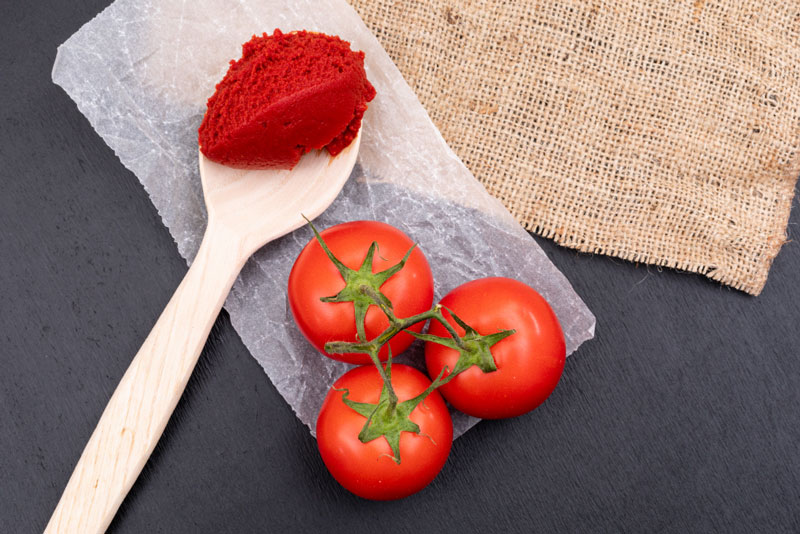
Tomato paste is a widely used ingredient in cooking, either store-bought or homemade. However, effectively storing it is crucial due to the risk of mold formation, potentially contaminating the paste. Additionally, tomato paste might not always provide the desired color to dishes, often resulting in pale or colorless food after cooking. To tackle these issues, let’s explore the best methods for storing and using tomato paste.
Storing Tomato Paste:
Mold is a prevalent concern when storing tomato paste. Once mold develops, it contaminates the entire container, rendering the paste unusable. For optimal storage, consider these steps:
- When cooking the paste, ensure complete water evaporation. This concentrates the paste, reducing the risk of molding and intensifying its color, enhancing its usability in cooking.
- Adding a small amount of oil while cooking can prevent mold growth. However, ensure not to add excessive oil, as it might make the paste greasy.
- Incorporating salt during the cooking process can impede mold formation and prolong the paste’s shelf life. Remember the quantity added to avoid oversalting dishes later.
- Employ gentle heat when cooking the paste. High temperatures increase the likelihood of mold formation.
- To enhance food coloration, lightly fry the paste in a small amount of oil before adding it to your dish. Continuously monitor to prevent burning and altering the taste.
Key Usage Points:
Adhering to specific practices while using tomato paste can further prevent mold and extend its shelf life:
- Use a clean spoon to scoop the paste. Avoid using wet or greasy spoons or ones previously used in food, as they can accelerate mold growth. Always use a fresh, clean spoon.
- Store tomato paste in a cool environment, preferably in the refrigerator or freezer. If there’s excess paste, refrigerate a portion based on your immediate consumption and keep the remainder in a cool, dry place.
- Ensure the storage container is sealed tightly to prevent contamination.
Optimal Storage Containers for Tomato Paste
To preserve the taste and color of tomato paste, it’s advisable to store it in a container with a lid. Even when using ready-made paste, transferring the remainder into a lidded container after opening can maintain its quality.
Recommended Containers:
Glass containers are the most suitable for storing tomato paste as they notably extend its shelf life. If unavailable, plastic containers can suffice. Avoid metal containers as they can lead to oxidation, compromising the paste’s quality.
Portioning for Storage:
Dividing the paste into smaller containers based on intended consumption is crucial. This approach prevents spoilage and maintains freshness, reducing the risk of mold formation and preserving the paste’s quality.