
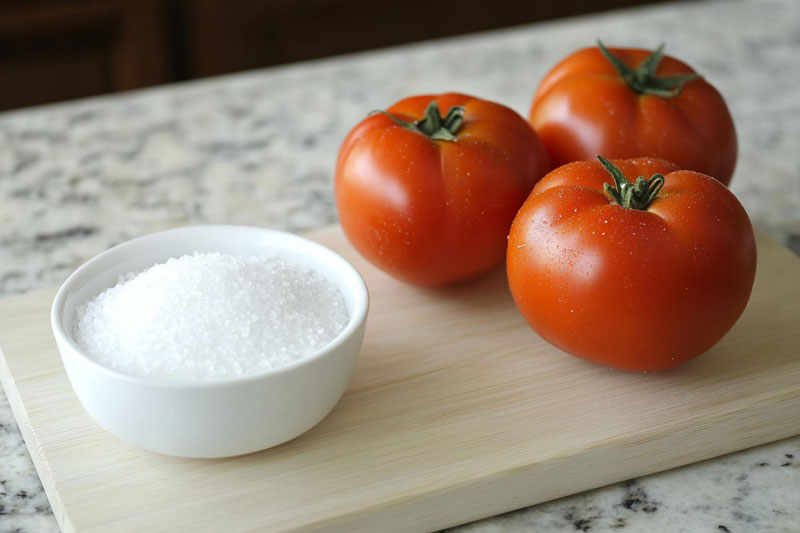
Sugar remains a sensitive ingredient in our diet, prompting concerns not only for individuals with diabetes but also for those aiming for a healthy lifestyle. Understanding the presence of sugar in various foods, including tomato paste, is crucial for informed consumption. Let’s delve into this issue to clarify its impact on our health.
The Composition of Tomato Paste:
To ascertain the presence of sugar in tomato paste, it’s essential to examine its structure and compounds. As per information from the United States Food and Agriculture Organization (USDA), typical compounds found in tomato paste include calories, fat, sodium, various types of carbohydrates, fiber, vitamins, and proteins. Approximately 4 grams of carbohydrates exist in nearly every 100 grams of tomato paste, indicating the presence of some sugar in this popular food item.
Note: The composition stated is representative of factory-produced tomato paste. Homemade recipes may vary, making it challenging to determine their exact content. Hence, it’s advisable to opt for authentic factory-made tomato paste for accurate information.
Is the Sugar in Tomato Paste Harmful?
The quantity of sugar present in tomato paste is relatively minimal and holds little significance in terms of impact. Surprisingly, tomato paste contains a relatively low amount of carbohydrates, presenting negligible sugar content compared to various other foods. Understanding the type of sugar present in a product is also vital. Naturally occurring sugars in organic foods like tomatoes are essential for the body, serving as a primary source of energy.
It’s crucial to note that not all carbohydrates are detrimental. Artificial sugars found in soft drinks and processed foods pose significant health risks. However, the sugars naturally occurring in organic foods like tomatoes are beneficial for the body. Considering the low quantity of carbohydrates in tomato paste, it poses no harm to the body. In essence, the sugar content in tomato paste is not considered harmful.
Tomato Paste and Diabetes:
While investigating the presence of sugar in tomato paste, it’s imperative to explore its broader implications. This popular seasoning isn’t hazardous for healthy individuals. However, for individuals with diabetes or those managing blood sugar levels, moderation and adherence to dietary recommendations remain crucial when consuming tomato paste.
Tomato Paste and Diabetes: Benefits and Considerations
For individuals with diabetes, heightened sensitivity to sugar and carbohydrate intake is a common concern. However, when it comes to tomato paste, the low carbohydrate content minimizes any detrimental effects on the body.
The relationship between tomato paste and diabetes isn’t one of harm but of potential benefit. Despite the increased sensitivity of individuals with diabetes to sugar, tomato paste is not only safe but also potentially useful for managing the condition. Surprisingly, many medical experts specializing in diabetic care consider tomato and its paste advantageous due to their mineral content—potassium, vitamin C, and lycopene.
Benefits of Tomato Paste for Diabetes:
Vitamin C plays a crucial role in regulating sugar absorption in the body. Consuming tomato paste helps adjust the body’s metabolic processes, aiding in achieving a balanced blood sugar level. This beneficial impact has sparked various research efforts exploring potential diabetes treatments.
Tomato Paste in a Diabetes Control Diet:
Despite containing some sugar, tomato paste is considered a valuable addition to a diabetes control diet. Managing diabetes often involves avoiding sugary and high-carbohydrate foods while meticulously controlling carbohydrate intake. Tomato paste, with its low calorie count and limited carbohydrate content, emerges as an excellent inclusion in this diet regimen.
Furthermore, the presence of lycopene in tomato paste supports heart health and reinforces blood vessels. Studies indicate that consuming tomato paste can bolster the cardiovascular system, reducing the risk of strokes and heart attacks. Moreover, the antibacterial and anti-inflammatory properties found in tomato paste help combat inflammation triggered by excessive sugar consumption in individuals with diabetes.
Considerations for Homemade Tomato Paste:
The carbohydrate content in homemade tomato paste is often unknown, unlike factory-made versions produced under standardized conditions and modern methods. Due to this uncertainty, diabetic patients are advised against using homemade tomato paste. When purchasing factory-made tomato paste, examine the ingredient table on the packaging to ensure adherence to standardized carbohydrate content, as authentic products maintain consistent nutritional values.