
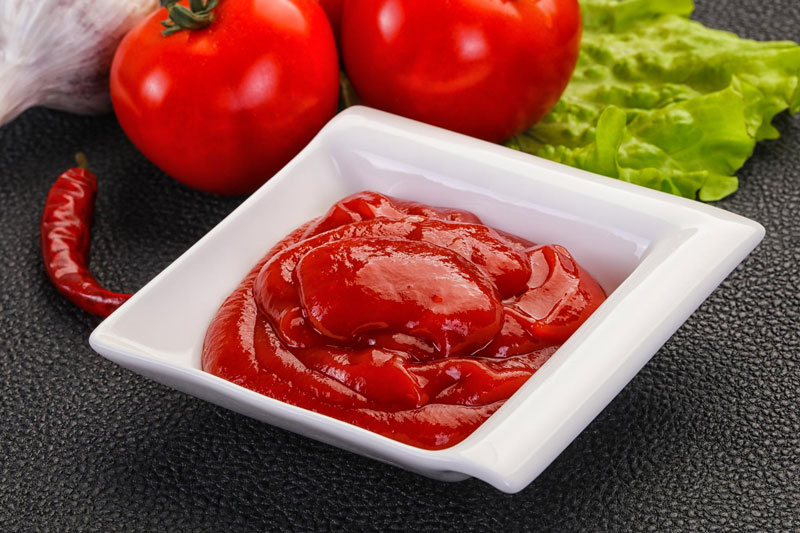
The prevalence of fatty liver disease affects over 40% of the global population, surpassing even half of Iran’s populace. Given the direct influence of dietary choices on liver health, understanding the impact of foods like tomato paste on this condition is crucial. Although a staple in Iranian cuisine, its health implications are more important than mere taste enhancement. We aim to meticulously explore the scientific perspective of tomato paste’s effects on fatty liver. For those invested in their health, this information is essential.
Understanding Fatty Liver:
Before delving into tomato paste’s effects on fatty liver, comprehending this condition is essential. Fatty liver disease, alongside cholesterol, hypertension, and diabetes, constitutes silent yet hazardous health threats. Imagine the liver as a vital filter within the body, cleansing toxins and fats. However, an abundance of these harmful substances can overwhelm the liver, leading to clogged pores and diminished efficiency. This progression results in what’s termed as fatty liver disease, ranging from mild to advanced stages, affecting liver function.
Symptoms and Complications of Fatty Liver:
Complications stemming from fatty liver disease are often underestimated despite their profound impact. Gradual onset symptoms make it challenging to detect early, leading to severe health repercussions. These complications include:
- Severe abdominal pain
- Hepatitis
- Cirrhosis
- Increased blood pressure
- Internal bleeding
- Persistent fatigue and dizziness
- Drastic weight changes
- Altered behavior and mood
- Risk of liver failure and fatality
Symptoms such as abdominal swelling, upper right abdominal pain, visible blood vessels, breast enlargement in men, and jaundice signify this condition, albeit not always presenting explicitly.
Is Tomato Paste Beneficial for Fatty Liver?
Given the pervasive use of tomato paste in Iranian cuisine, understanding its impact on fatty liver is critical. Fatty liver disease represents severe liver inflammation, often necessitating dietary modifications and consumption of anti-inflammatory foods for control and prevention. Lycopene, found abundantly in tomatoes, acts as an anti-inflammatory and antibacterial agent. Its capacity to quell liver inflammation and promote microbial diversity within the liver makes it a potent ally in combating this condition.
Tomato paste, being a rich source of lycopene, contributes significantly to mitigating fatty liver inflammation. Reducing liver inflammation emerges as a pivotal aspect in managing fatty liver disease, a benefit facilitated by regular consumption of tomato paste.
Tomato Paste: A Guard Against Liver Cancer
The benefits of tomato paste extend beyond managing or preventing fatty liver; they encompass guarding against its dire consequence—liver cancer. This form of cancer ranks among the three most prevalent globally. Tomato paste’s rich constituents, including pigments and lycopene, bolster the body’s defenses against liver cancer. Additionally, its array of proteins and vitamins aids in post-fatty liver recovery. It’s important to moderate its consumption, akin to any other food, to avoid adverse effects.